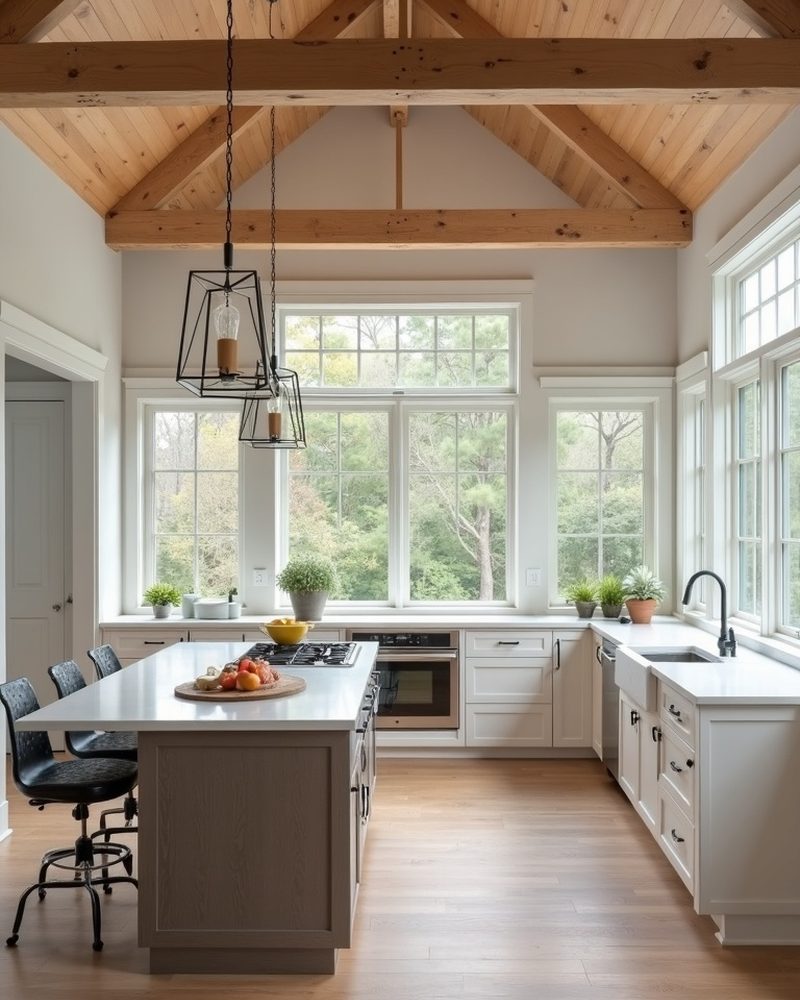
Whether you plan to buy or sell in Forsyth County the choices you make before listing or making an offer can change outcomes dramatically. Local market signals — from school boundaries to new road projects to inventory levels in a specific subdivision — often matter more than broad statewide headlines. This post explains how to read those signals and turn them into practical steps that work for Forsyth County buyers and sellers today and into the future.
Start with the neighborhood not just the price band. Forsyth County is built from many distinct micro-markets: lakefront areas near Lake Lanier, suburban pockets around Cumming, newer subdivisions with community amenities, and older established neighborhoods with mature landscaping. Price per square foot gives context, but local demand patterns are driven by school zones, HOA rules, walkability to shops, and commute corridors like GA 400. When searching for homes use filters beyond price: look for recent solds in the same subdivision, days on market for similar floor plans, and whether homes are selling above list price in that pocket.
For buyers know your true buying range and why it matters. Lenders, rates, and monthly payments shape affordability but so do property taxes, utility costs, and expected maintenance for older homes. Get preapproved and build a budget that includes closing costs and potential updates. If you want to target high-demand schools or a specific commute time to Atlanta or local job centers, be flexible on nonessential features and prioritize location. In a competitive pocket, offers that close faster and have stronger financing terms often win.
Sellers should tune to local expectations before choosing a listing price. Small upgrades that address buyer concerns in Forsyth County yield outsized returns: neutral paint, decluttering to show usable space, and basic landscaping for curb appeal. Highlight features buyers search for locally such as home offices, flexible bonus rooms, energy efficient updates, and outdoor living areas. Accurate comps matter more than optimism; pricing just above a well-defined demand band can push your listing into a slower segment of buyers. When in doubt use recent closed sales from the same subdivision and similar home layout.
Leverage school zones and commute realities in marketing. Families move to Forsyth for schools and lifestyle. Make sure your listing copy calls out school names and proximity to local assets like parks, trails, and Lake Lanier recreation. For buyers, map your daily routes during peak hours to understand real commute times instead of relying solely on distance. That real-world insight helps prioritize neighborhoods that match your lifestyle.
Pay attention to inventory and seasonal shifts at the micro level. Countywide statistics mask local surges or shortages. A surge of new construction in one community can temporarily increase inventory and soften pricing there while nearby established neighborhoods remain tight. Sellers benefit from listing when similar homes are scarce. Buyers find opportunity when a development releases new inventory or when sellers with time-sensitive needs create motivated listings.
Use data to shape decisions not emotion. Track metrics that matter locally: median days on market in your target subdivisions, percent of list price received on average, and absorption rates for homes of comparable size and age. These signals tell you whether to expect bidding competition or room to negotiate. Local agents who run neighborhood-specific reports bring clarity that broad market summaries cannot.
Prepare for inspections and negotiate smartly. In Forsyth County older homes often reveal maintenance items that affect offers. Budget for inspections and ask for seller disclosures early. For sellers consider pre-inspections to address small fixes and reduce surprises that can derail a contract. For buyers prioritize critical systems like HVAC, roof, and septic or well systems when present.
Think long term when choosing updates or accepting an offer. Not every improvement returns the same
